
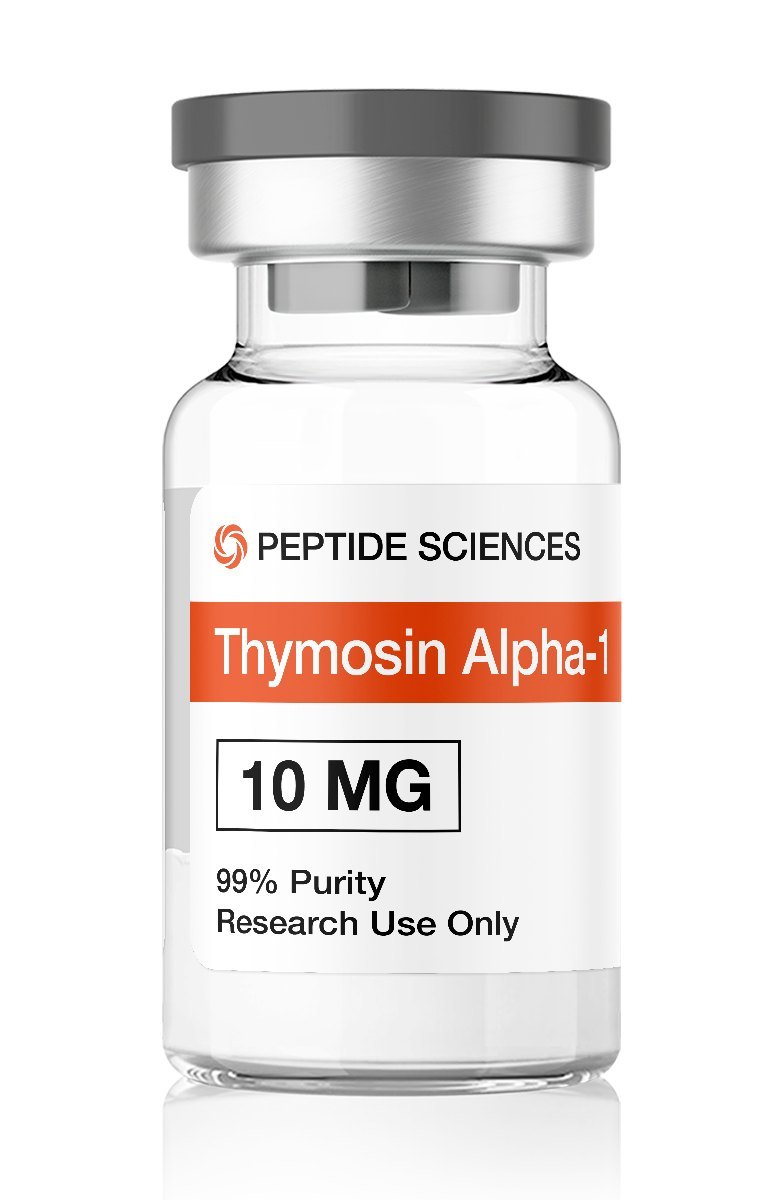
Thymosin Alpha-1 is a naturally inspired peptide that has drawn significant attention in wellness and research communities for its role in supporting the body’s internal defense systems. Originally identified as a fragment derived from thymic proteins, it has been studied for its ability to interact with immune signaling pathways in a balanced and regulated way. Unlike harsh stimulants or synthetic immune boosters, it is often discussed for its more “modulating” rather than forcing effect, helping the body respond more intelligently to stressors.
At its core, this compound is associated with the thymus gland, an organ responsible for the development and maturation of T-cells. These cells are essential for immune coordination, acting as one of the body’s primary lines of defense against foreign agents. Thymosin Alpha-1 is believed to assist in optimizing this communication system, encouraging a more efficient and well-regulated immune response. Because of this, it is often included in scientific discussions surrounding immune resilience and recovery support.
One of the reasons this peptide has become popular in research environments is its broad potential applications. Rather than targeting a single pathway, it appears to support immune balance in multiple ways, which makes it interesting for studies related to seasonal immune challenges, long-term immune conditioning, and general physiological stress response. Researchers have also explored how it may interact with inflammation pathways, aiming to understand its role in maintaining internal equilibrium during periods of strain.
In addition to immune-related interest, Thymosin Alpha-1 is often examined for its relationship with overall vitality. Many discussions around it focus on how a well-regulated immune system can contribute to better energy balance, improved recovery, and a more stable sense of wellness. While it is not a stimulant and does not produce immediate energizing effects, its supportive role in immune efficiency is what makes it appealing in longer-term wellness frameworks.
From a structural standpoint, this peptide is composed of a short chain of amino acids, which allows it to communicate effectively with immune receptors. Its design is relatively simple compared to larger proteins, yet this simplicity is part of what makes it biologically significant. The body is able to recognize and interact with it efficiently, which is why it has been widely studied in controlled laboratory environments.
Thymosin Alpha-1 is typically handled in research settings and is not intended for casual or unregulated use. It is commonly stored in lyophilized (freeze-dried) form to maintain stability and purity before reconstitution in laboratory conditions. Proper handling and controlled environments are essential to ensure consistency in observations and results during studies.
When discussed in the context of wellness research, it is often positioned as part of a broader conversation about immune system optimization rather than a standalone solution. Scientists and researchers tend to evaluate it alongside lifestyle factors such as nutrition, sleep quality, and stress management, recognizing that immune health is multifaceted and influenced by many variables.
Overall, Thymosin Alpha-1 continues to be a subject of interest due to its balanced and regulatory approach to immune system support. Its ability to engage with natural biological processes without overstimulation makes it a valuable topic in ongoing research. As studies continue, more insights may emerge about how it can be applied within carefully controlled scientific and clinical frameworks, further expanding our understanding of immune system modulation and cellular communication.
Reviews
There are no reviews yet.