
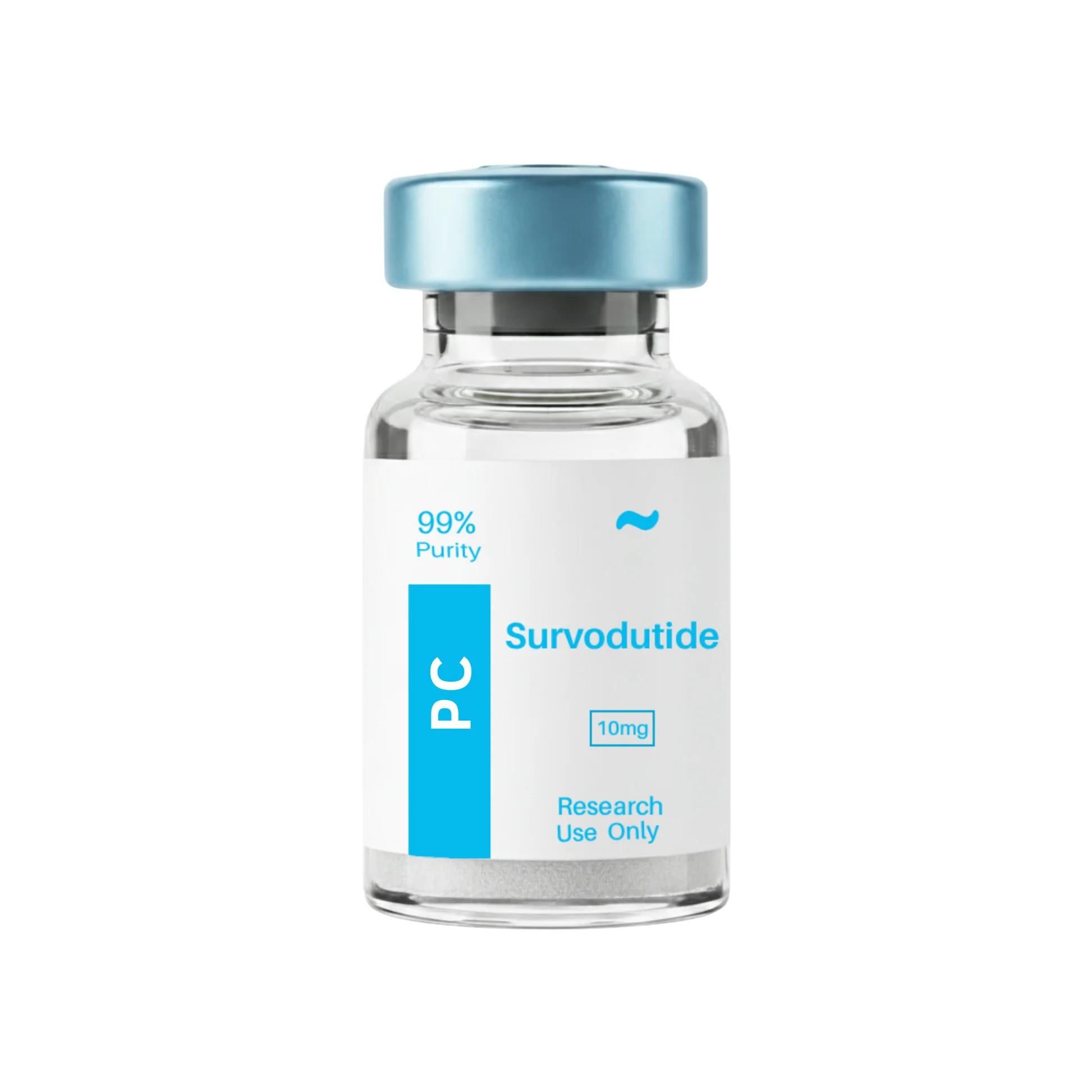
Survodutide is an investigational therapeutic compound that has gained attention in modern metabolic research for its potential role in supporting weight management and metabolic balance. Designed as a dual receptor agonist, it works by interacting with both GLP-1 and glucagon pathways, which are naturally involved in how the body regulates appetite, energy use, and glucose metabolism. While still under clinical investigation, Survodutide represents a growing class of advanced metabolic agents that aim to go beyond traditional single-pathway approaches.
In simple terms, Survodutide is being studied for its ability to influence how the body processes food intake and energy expenditure. Instead of focusing on only one mechanism, it takes a broader biological approach, targeting multiple signals that affect hunger, satiety, and metabolic activity. This has made it a subject of interest among researchers exploring new directions in obesity and type 2 diabetes research.
One of the key areas of interest around Survodutide is its potential impact on appetite regulation. Many individuals in clinical studies report changes in hunger patterns, including feeling fuller after smaller meals and reduced cravings over time. These effects are believed to be linked to GLP-1 receptor activity, which plays a role in signaling satiety to the brain. At the same time, glucagon receptor engagement is thought to contribute to energy utilization, making the compound particularly unique in its dual-action design.
From a user experience perspective in research settings, Survodutide is often discussed in relation to gradual lifestyle support rather than immediate or dramatic change. It is not positioned as a quick fix, but rather as a compound that may support longer-term metabolic adjustments when combined with dietary and lifestyle modifications. This balanced approach is one of the reasons it continues to attract scientific attention.
Another important aspect of Survodutide is its relevance in ongoing studies related to body weight regulation. Excess weight and metabolic disorders are complex conditions influenced by genetics, environment, and behavior. Because of this complexity, multi-target treatments like Survodutide are being explored as potential tools to address several contributing factors at once. Researchers are particularly interested in how this compound may influence energy balance over extended periods.tiktok.com
Although early findings are promising, it is important to understand that Survodutide is still under clinical investigation and is not universally approved for general medical use in many regions. Its safety profile, long-term effects, and optimal dosing strategies are still being evaluated in controlled trials. As with any experimental compound, conclusions should be based on peer-reviewed research and regulatory guidance rather than anecdotal reports.
In the broader pharmaceutical landscape, Survodutide is part of a new generation of metabolic agents that build on the success of GLP-1-based therapies. Unlike earlier treatments that focused primarily on blood sugar control, newer compounds are increasingly being developed with multi-functional metabolic benefits in mind. This shift reflects a more comprehensive understanding of how interconnected appetite, hormones, and energy systems are within the human body.
For individuals following advancements in metabolic science, Survodutide is often seen as a forward-looking development rather than a finalized therapy. It highlights how modern research is moving toward more personalized and mechanism-driven approaches. Scientists continue to study how different populations may respond to such compounds, as well as how they can be safely integrated into broader treatment frameworks in the future.
In summary, Survodutide represents an innovative area of metabolic research focused on dual-pathway activity involving GLP-1 and glucagon receptors. While still in the study phase, it continues to show potential in supporting appetite regulation and metabolic balance. As research evolves, a clearer understanding of its benefits, limitations, and applications will emerge.
Survodutide remains a compound of scientific interest, reflecting the ongoing shift toward more advanced and multi-target approaches in metabolic health research.
Reviews
There are no reviews yet.