
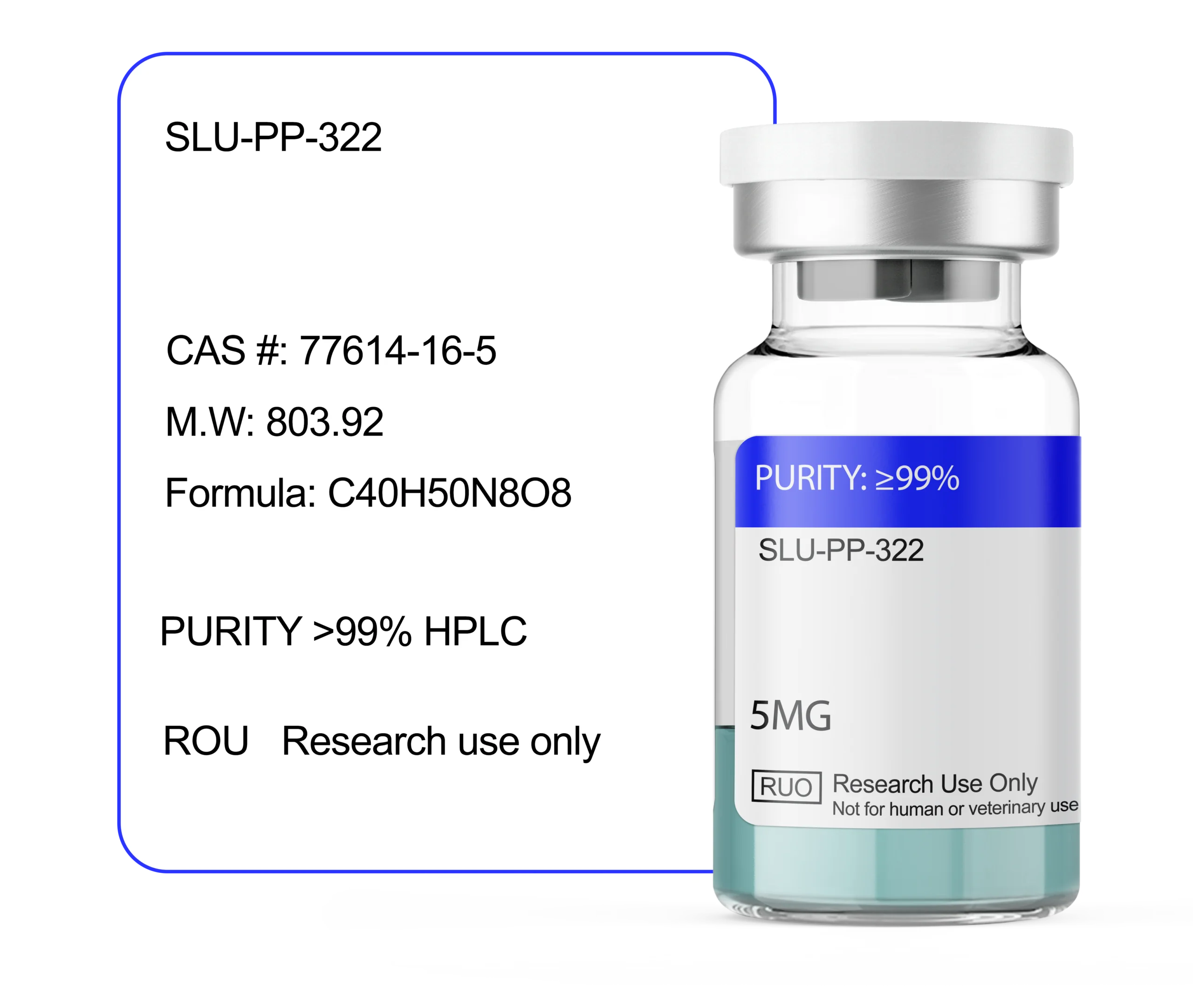
SLU-PP-322 is a cutting-edge research compound that has gained attention in scientific and biochemical circles for its unique interaction with cellular energy pathways. Often discussed in experimental metabolic and endurance-related studies, it is primarily used in controlled laboratory environments to explore how specific receptor systems may influence energy expenditure, muscle activity, and overall physiological performance.
Unlike traditional supplements or over-the-counter products, SLU-PP-322 is not intended for consumer use. It is strictly positioned as a research-only material, meaning its applications are limited to laboratory investigation and preclinical studies. Researchers are particularly interested in how compounds like this may interact with nuclear receptors that regulate metabolism, especially those involved in fat oxidation and energy utilization at the cellular level.
One of the reasons SLU-PP-322 has drawn scientific curiosity is its potential role in mimicking certain physiological states associated with increased endurance output. In laboratory models, scientists study how it may influence the body’s ability to shift energy sources, particularly during periods of increased demand. This makes it a topic of interest in metabolic research, sports science exploration, and biochemical pathway mapping. However, it is important to emphasize that these observations are strictly experimental and should not be interpreted as confirmed effects in humans.
In terms of physical form, SLU-PP-322 is typically handled as a specialized research-grade material produced under controlled conditions. Laboratories working with it usually follow strict protocols to ensure consistency, purity, and safe handling. Because of its nature, it is not distributed for personal consumption, and any reputable supplier will clearly label it as intended for research use only.
The growing interest in SLU-PP-322 is also tied to broader scientific efforts to better understand metabolic flexibility. Metabolic flexibility refers to the body’s ability to efficiently switch between different energy sources, such as carbohydrates and fats, depending on demand. Compounds like SLU-PP-322 are studied in this context to observe how cellular signaling pathways respond under controlled stimulation. These insights may eventually contribute to future advancements in metabolic science, though such applications remain theoretical at this stage.
From a research perspective, compounds in this category are often evaluated alongside other metabolic modulators to compare their mechanisms of action. Scientists may examine gene expression changes, mitochondrial activity, and energy utilization patterns in controlled environments. SLU-PP-322 stands out due to its selective nature in targeting pathways that are still being mapped in modern biochemical research.
It is also worth noting that interest in SLU-PP-322 reflects a larger trend in scientific exploration of performance-related biology. Rather than focusing on surface-level outcomes, researchers are increasingly studying the deeper cellular mechanisms that govern endurance, recovery, and energy regulation. This compound fits into that evolving landscape as a tool for understanding how the body adapts at a molecular level.
As with all experimental compounds, responsible handling and proper context are essential. SLU-PP-322 should only be used within appropriate laboratory settings by qualified professionals. Its value lies in the insights it may provide to ongoing research rather than any immediate practical application outside of controlled study environments.
In summary, SLU-PP-322 is a specialized research compound that plays a role in advancing scientific understanding of metabolic processes and energy regulation. While it continues to generate interest due to its unique properties, it remains firmly within the realm of experimental science. Ongoing studies will determine how much it contributes to future discoveries in physiology and metabolic research, but for now, it serves as a promising tool for exploration rather than application.
Reviews
There are no reviews yet.