
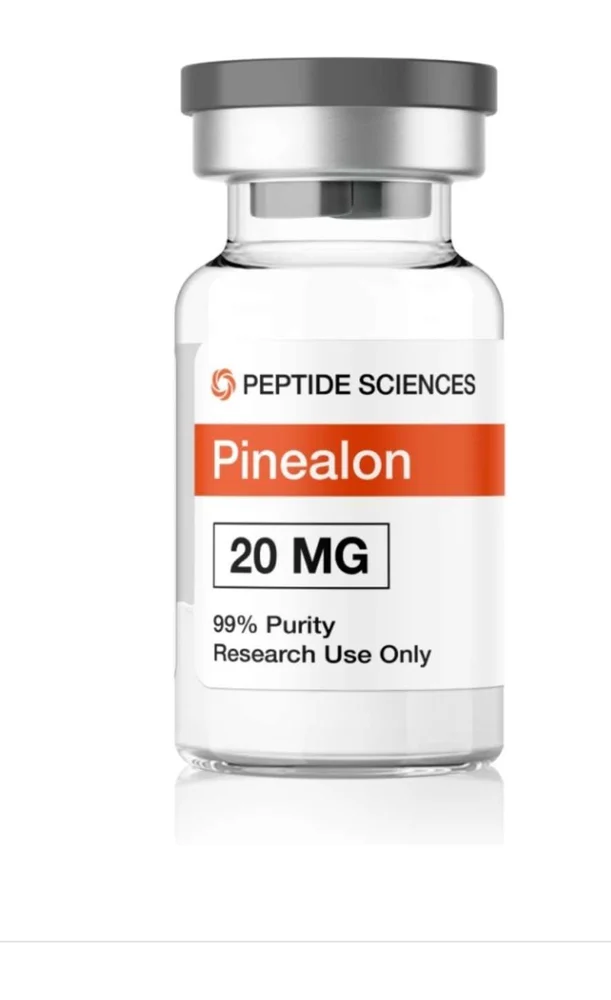
Pinealon is a short peptide compound that has attracted increasing attention within scientific and laboratory research communities due to its connection with cellular regulation and cognitive wellness studies. Researchers continue exploring how this peptide may interact with neurological processes, healthy aging pathways, and general cellular function. Its growing popularity comes from ongoing investigations into peptide-based compounds that may support balanced biological activity in controlled research settings.
This peptide is commonly discussed in relation to cognitive performance, mental clarity, and overall neurological support. Scientists studying Pinealon are particularly interested in how small peptide chains may influence communication between cells and contribute to maintaining healthy biological responses over time. Although research is still developing, the compound remains a topic of interest among those examining advanced peptide technologies and innovative laboratory applications.
One reason Pinealon has gained recognition is its structure as a synthetic tripeptide. Peptides of this size are often examined for their ability to interact efficiently with biological systems. In research environments, short-chain peptides are valued because they may demonstrate targeted activity while maintaining stability during handling and testing procedures. This has led many investigators to include Pinealon in broader studies focused on age-related function and neurological balance.
Laboratory interest in this compound also stems from research involving oxidative stress and cellular protection. Oxidative stress is frequently studied because of its connection to aging and environmental strain on biological systems. Investigators examining Pinealon aim to better understand whether peptide-based compounds can contribute to maintaining healthier cellular environments under controlled conditions. These studies continue to expand as peptide science develops across multiple research sectors.
Another area of discussion surrounding Pinealon involves focus and cognitive resilience. Research communities exploring neurobiology often investigate peptides that may influence mental sharpness, concentration, and cellular signaling. While conclusions remain limited and further studies are needed, the ongoing scientific attention highlights the broader interest in compounds associated with brain and nervous system research.
Pinealon is generally handled in professional or laboratory settings where quality, storage, and consistency are important considerations. Maintaining proper research standards is essential for preserving peptide integrity and ensuring reliable analytical work. Researchers typically prioritize purity, stable packaging, and careful preparation procedures when working with peptide materials intended for scientific use.
As peptide science continues evolving, compounds like Pinealon remain part of a larger movement toward advanced biological research and innovation. Scientists worldwide are examining how peptides may contribute to future discoveries involving cellular communication, healthy aging investigations, and cognitive research models. The growing demand for research peptides reflects continued curiosity about the role these compounds may play in next-generation scientific exploration.
This product is intended strictly for laboratory and research purposes only. It is not approved for human consumption, medical treatment, or diagnostic use. Any references to ongoing studies or scientific interest are educational in nature and should not be interpreted as medical claims. Individuals and institutions working with research compounds should always follow applicable guidelines, protocols, and regulatory standards within their region.
For research professionals seeking a peptide associated with neurological and cellular research interest, Pinealon continues to stand out as a noteworthy compound within modern peptide studies. Its presence in discussions surrounding peptide innovation, cognitive investigation, and cellular balance has made it a recognized option in the expanding field of research peptides.
Reviews
There are no reviews yet.