
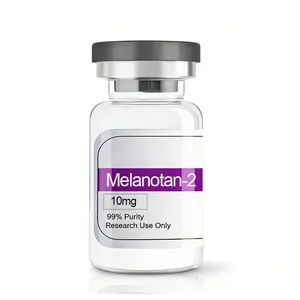
MT-2 (Melanotan 2 Acetate) is a synthetic peptide widely recognized in modern research environments for its connection to pigmentation studies and melanocortin receptor investigations. Developed as an analogue of alpha-melanocyte-stimulating hormone, MT-2 (Melanotan 2 Acetate) continues to gain attention among laboratories and research professionals interested in peptide science and biochemical interaction analysis.
Researchers value MT-2 (Melanotan 2 Acetate) because of its stability, purity potential, and compatibility with controlled investigative protocols. This peptide is commonly explored in scientific settings focused on melanogenesis, receptor response pathways, and cellular signaling mechanisms. Its growing popularity within peptide research communities reflects the increasing demand for dependable compounds suitable for structured laboratory studies.
Every batch of MT-2 (Melanotan 2 Acetate) should be manufactured under strict quality-control standards to support consistency and reliability. Maintaining high purity levels is essential for research professionals who require accurate and reproducible outcomes. Proper handling, storage, and laboratory procedures are always recommended when working with research peptides of this nature.
MT-2 (Melanotan 2 Acetate) is frequently selected by researchers due to its strong reputation in peptide-focused scientific literature. Many laboratories seek peptides that can integrate efficiently into experimental models while maintaining dependable structural integrity. Because of this, MT-2 (Melanotan 2 Acetate) has become a commonly referenced option within ongoing peptide investigations.
This peptide is typically supplied in lyophilized form to assist with long-term stability and preservation during transport and storage. Laboratories often appreciate this preparation format because it supports controlled reconstitution procedures and efficient research handling. Secure packaging and professional processing also help maintain product integrity from manufacturing through delivery.
Researchers exploring melanocortin-related compounds often include MT-2 (Melanotan 2 Acetate) in broader investigative frameworks involving peptide interactions and receptor activity. Its established presence in peptide discussions has contributed to continued interest from research institutions, independent laboratories, and scientific suppliers worldwide.
Quality assurance remains one of the most important considerations when sourcing MT-2 (Melanotan 2 Acetate). Reliable peptide suppliers prioritize advanced testing methods and production transparency to help ensure researchers receive products that meet professional laboratory expectations. Consistency between batches is especially important for maintaining dependable research conditions and minimizing experimental variability.
MT-2 (Melanotan 2 Acetate) should always be handled by trained professionals familiar with peptide research standards. Appropriate laboratory practices, temperature control, and sterile preparation methods help preserve peptide quality throughout the research process. Researchers commonly store peptides in cool, dry environments before reconstitution to maintain optimal stability.
The demand for high-quality peptide compounds continues to grow as scientific interest in advanced biochemical studies expands. MT-2 (Melanotan 2 Acetate) remains a recognized option among peptide researchers seeking a professionally prepared compound suitable for structured investigative use. Its reputation within the peptide field continues to support ongoing scientific curiosity and laboratory evaluation.
When selecting MT-2 (Melanotan 2 Acetate), researchers often look for suppliers that emphasize purity, secure packaging, and reliable manufacturing procedures. Choosing a professionally produced peptide helps support accurate laboratory workflows and dependable research outcomes. Trusted peptide sourcing can make a significant difference in maintaining confidence during complex research projects.
MT-2 (Melanotan 2 Acetate) is intended strictly for laboratory and research purposes only. It is not approved for human consumption, medical use, or diagnostic application. Researchers should always follow applicable laboratory regulations and institutional guidelines when handling peptide compounds.
Reviews
There are no reviews yet.