
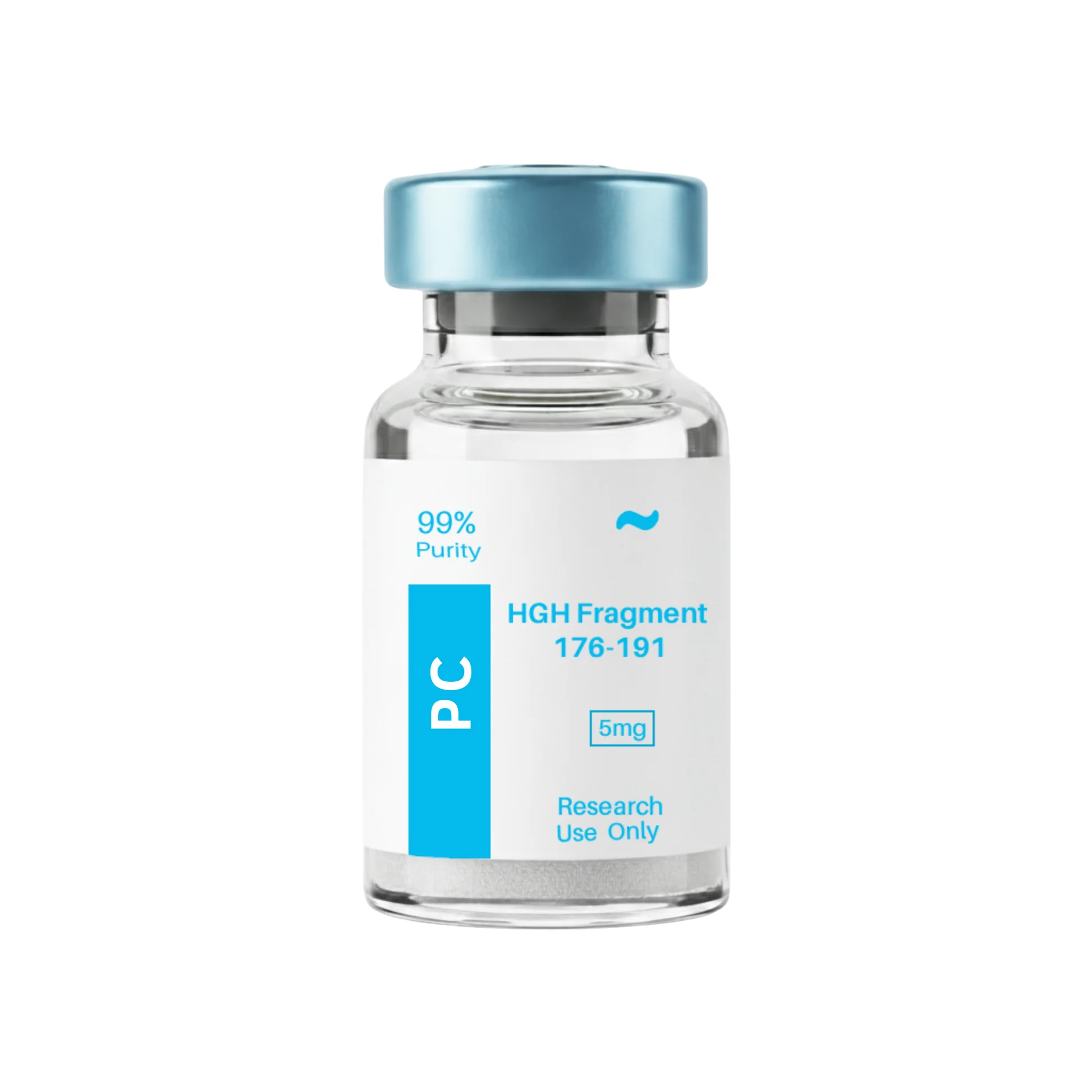
HGH Fragment 176-191 is a specialized peptide commonly explored in modern wellness and research environments for its connection to metabolic activity and body composition support. Derived from a specific region of the human growth hormone amino acid chain, this peptide has gained significant attention among researchers and fitness-focused individuals looking for targeted support without the broader effects associated with traditional growth hormone compounds.
Many people interested in performance optimization and physique management are drawn to HGH Fragment 176-191 because of its focused structure. The peptide was designed to isolate a particular section believed to be linked to fat metabolism, making it a popular choice in advanced peptide research programs. Researchers continue to study its potential role in supporting healthy metabolic function, energy utilization, and overall body recomposition efforts.
Unlike broader hormone-related compounds, HGH Fragment 176-191 is often discussed for its selective nature. This has made it increasingly recognized within peptide communities where users prioritize precision and targeted wellness strategies. Individuals who maintain structured training programs and balanced nutrition plans frequently include peptides like this in research discussions surrounding lean body support and recovery-focused routines.
One reason HGH Fragment 176-191 continues to attract attention is the growing demand for wellness compounds that align with active lifestyles. Modern health enthusiasts are constantly seeking innovative approaches that complement disciplined exercise, healthy eating habits, and recovery management. This peptide has become part of that conversation due to its unique amino acid profile and specialized research background.
In research settings, HGH Fragment 176-191 is commonly examined for its relationship to lipid metabolism and calorie utilization. Some studies suggest the fragment may interact differently compared to full-length growth hormone structures, which has contributed to ongoing scientific curiosity. While research remains active and evolving, interest in the peptide continues to expand among experienced peptide users and laboratory professionals alike.
Quality and purity remain essential when selecting research peptides. Proper storage, handling, and sourcing standards help maintain peptide integrity and consistency. Reliable peptide suppliers focus on laboratory-tested formulations designed to meet strict quality expectations for research use. Maintaining high manufacturing standards is especially important for those seeking dependable peptide products from trusted sources.
Another factor contributing to the popularity of HGH Fragment 176-191 is its compatibility with structured wellness routines. Individuals focused on maintaining lean physiques, supporting disciplined fitness goals, or optimizing recovery protocols often explore advanced peptide compounds as part of broader lifestyle strategies. Combined with regular exercise and nutritional balance, peptide research continues to evolve within modern health and fitness communities.
The peptide market itself has expanded rapidly over recent years as scientific interest in amino acid chains and cellular signaling continues to grow. HGH Fragment 176-191 represents one example of how targeted peptide science is influencing wellness discussions worldwide. Researchers remain interested in understanding how specific peptide sequences may support different physiological processes under controlled conditions.
For those researching advanced peptide options, consistency and transparency are important considerations. Choosing high-quality products from dependable peptide suppliers can help ensure confidence in purity and handling procedures. Many experienced buyers prioritize laboratory-tested peptide products that emphasize professional-grade standards and accurate formulation practices.
HGH Fragment 176-191 remains one of the more recognized peptides within metabolic and body composition research discussions today. Its specialized structure, growing popularity, and focused scientific interest continue to make it a notable option within the evolving peptide industry. As peptide science advances, interest in compounds that support targeted wellness and performance-focused research is expected to continue growing among researchers and experienced enthusiasts alike.
Reviews
There are no reviews yet.