
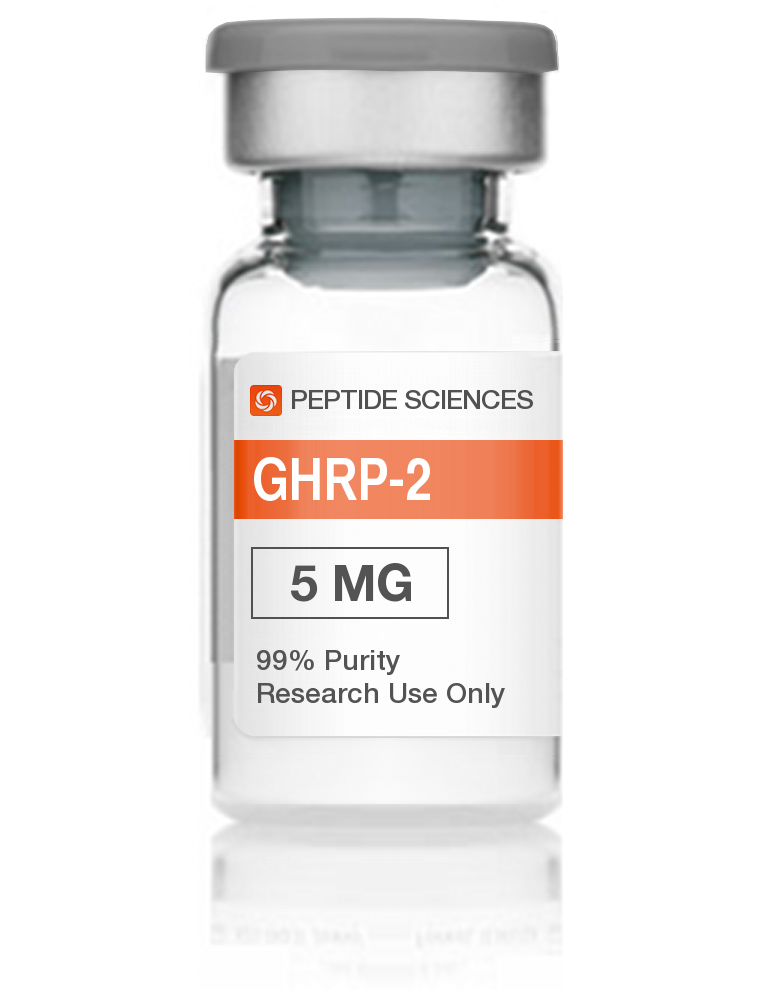
Support Recovery, Performance, and Wellness with GHRP-2
GHRP-2 has become widely recognized among researchers and wellness-focused individuals interested in recovery support, performance enhancement, and balanced physical maintenance. Known for its ability to stimulate the body’s natural growth hormone response, this peptide is commonly explored in laboratory and scientific settings where muscle recovery, lean body composition, and regenerative support are areas of focus.
This compound belongs to a category of synthetic peptides developed to encourage the release of growth hormone through interaction with GHRP-2 receptors. Unlike direct hormone administration, it works by signaling the body to increase natural secretion patterns. Because of this mechanism, many people researching peptide protocols consider it a more balanced and manageable option within modern peptide studies.
One reason GHRP-2 peptide continues to gain attention is its versatility. Researchers often examine it in connection with recovery cycles, athletic support programs, metabolism studies, and overall wellness applications. It is frequently discussed in communities focused on maintaining strength, improving physical resilience, and supporting restorative sleep patterns. These areas have made it a popular addition in advanced peptide discussions and scientific exploration.
Many laboratory users report interest in its role in supporting lean muscle maintenance while assisting with recovery after intense physical activity. Studies involving growth hormone secretagogues have explored how these compounds may influence protein synthesis, tissue repair processes, and overall performance efficiency. Because recovery is essential for consistent training and physical output, compounds that support restorative functions remain highly researched.
Another important area of interest involves sleep quality and nightly restoration. Growth hormone release naturally increases during deeper sleep cycles, which has encouraged further examination into how peptide stimulation may support the body’s overnight recovery process. Balanced rest is closely connected with energy levels, physical repair, and overall wellness, making this an important focus in ongoing peptide research.
Metabolic support is another reason this compound receives attention in scientific circles. Researchers have explored how growth hormone signaling may interact with body composition, nutrient utilization, and overall energy balance. While results vary depending on study conditions and individual factors, the compound continues to be evaluated for its possible role in maintaining a more efficient recovery and performance environment.
Purity and consistency are critical when selecting GHRP-2 products for laboratory purposes. High-quality sourcing standards help ensure accurate formulation, stable handling, and dependable research application. Proper storage and handling procedures are equally important for maintaining peptide integrity throughout the research process.
GHRP-2 is commonly supplied in lyophilized form to support stability and long-term preservation before reconstitution. Researchers often appreciate this format because it allows flexible preparation protocols depending on laboratory needs and study requirements. Attention to proper preparation techniques can help maintain reliability and consistency during use.
As interest in peptide science continues to expand, compounds focused on recovery and regenerative support remain at the forefront of discussion. The growing popularity of advanced wellness research has increased awareness surrounding peptide-based studies and their potential applications in performance-oriented environments. This continued attention has helped establish growth hormone secretagogues as a major category within modern research programs.
Whether explored for recovery-focused studies, performance support investigations, or general wellness research, this peptide continues to stand out for its broad scientific interest and versatile application potential. Its ability to stimulate natural pathways rather than directly replacing hormones has contributed to its reputation among experienced researchers seeking balanced approaches within peptide science.
For laboratories and research environments seeking a reliable peptide associated with recovery support, restorative function, and performance-related studies, this compound remains a respected option in the expanding field of peptide research.
Reviews
There are no reviews yet.