
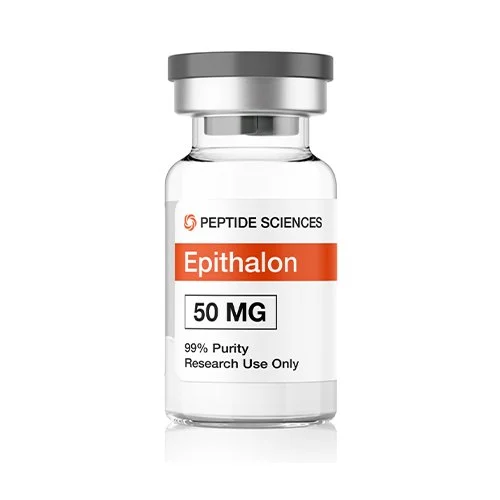
Epitalon is a synthetic peptide that has gained attention in scientific research circles for its connection to cellular health and longevity pathways. It is derived from a naturally occurring protein fragment found in the pineal gland, a small endocrine gland in the brain that plays a role in regulating biological rhythms and sleep cycles. Over the years, interest in this compound has grown due to its potential role in supporting healthy aging processes at the cellular level.
Unlike many mainstream wellness ingredients that focus on surface-level effects, Epitalon is often discussed in relation to deeper biological mechanisms. Researchers have explored how it may interact with telomeres, which are protective caps at the end of chromosomes. Telomeres naturally shorten as cells divide over time, a process associated with aging. In experimental settings, Epitalon has been studied for its possible influence on telomerase activity, an enzyme linked to telomere maintenance. While these findings are still part of ongoing research, they have contributed to the growing curiosity around this peptide in longevity science.
Many users and researchers are drawn to Epitalon because of its association with natural biological regulation rather than artificial stimulation. It is often described as supporting the body’s own timing systems, sometimes referred to as circadian rhythms. These rhythms influence sleep quality, hormone cycles, energy levels, and overall daily function. In laboratory contexts, Epitalon has been observed in relation to melatonin regulation, which is why it is frequently discussed in connection with sleep and recovery cycles.
One of the reasons this compound continues to attract attention is its potential role in promoting balance rather than overstimulation. Instead of acting like a stimulant or a sedative, it is generally explored for its regulatory and restorative characteristics in research environments. This makes it appealing to individuals interested in long-term wellness strategies that focus on cellular function and natural biological alignment.
In addition to its connection with aging research, Epitalon has been studied for its antioxidant-related properties. Oxidative stress is a natural byproduct of metabolism and environmental exposure, and over time it can contribute to cellular wear. Scientific interest in this peptide includes how it may interact with systems that help maintain cellular stability under stress conditions. Although more human studies are needed, early findings have contributed to its reputation as a compound of interest in anti-aging research.
Epitalon is typically discussed in the context of controlled scientific environments and is not intended as a quick-fix solution. Instead, it represents a broader area of study focused on how small biological signals can influence long-term physiological patterns. This makes it especially relevant in fields such as biogerontology, molecular biology, and regenerative medicine research.
From a lifestyle perspective, many of the discussions surrounding Epitalon center on the idea of supporting healthy aging from within. This includes maintaining balanced sleep cycles, promoting cellular resilience, and supporting the body’s natural regulatory systems. However, it is important to emphasize that most of the promising data comes from preclinical or experimental studies, and further research is still required to fully understand its effects in humans.
As interest in longevity science continues to grow, Epitalon remains a frequently mentioned compound among researchers and wellness enthusiasts alike. Its connection to natural biological rhythms, cellular maintenance, and aging research places it in a unique category of bioactive peptides being explored for future scientific applications.
Overall, Epitalon represents a fascinating area of study within modern biochemistry. While it is not a mainstream therapeutic solution, its role in ongoing research highlights the increasing focus on understanding how the body regulates aging at a molecular level.
Reviews
There are no reviews yet.