
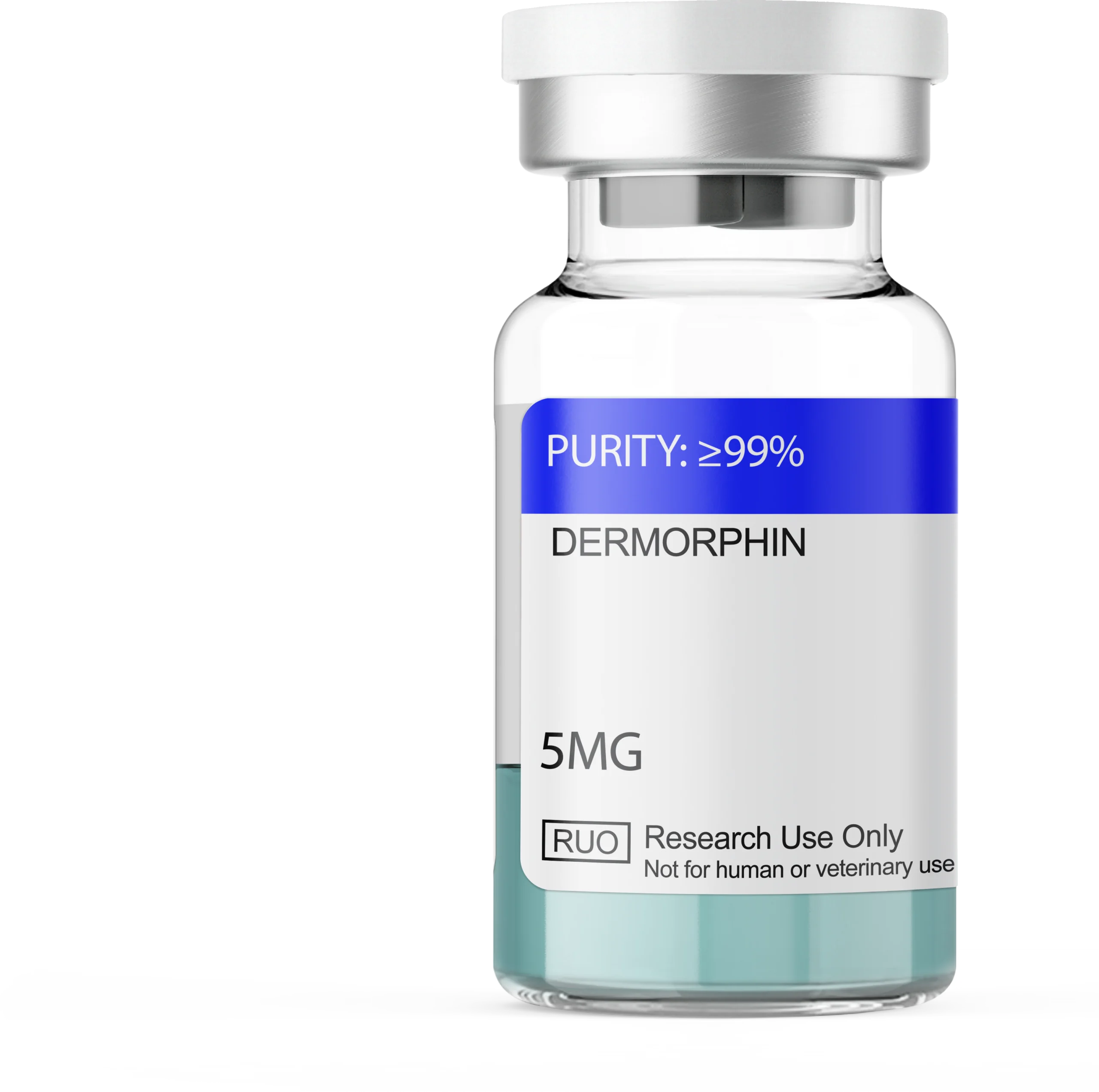
Dermorphin is a naturally derived peptide that has gained attention in scientific and laboratory research for its unique interaction profile and peptide structure. Researchers studying peptide compounds often explore Dermorphin because of its highly selective binding characteristics and its role in experimental models related to receptor activity, cellular communication, and neurological response pathways. Its uncommon amino acid composition also makes it a point of interest within modern peptide analysis and biochemical investigation.
In laboratory settings, Dermorphin is commonly discussed among researchers focused on peptide stability, receptor affinity, and advanced biochemical testing. Due to its specialized structure, this peptide has become a topic within peptide science communities examining how naturally occurring compounds may influence controlled research environments. Interest in Dermorphin continues to grow as peptide research expands into more specialized scientific fields.
Many professionals working in peptide-related studies value compounds that demonstrate strong structural consistency during controlled handling procedures. Dermorphin is often referenced in research discussions involving analytical precision, formulation stability, and peptide purity evaluation. Because peptide integrity is important in scientific settings, properly handled research materials are essential for maintaining dependable analytical standards during laboratory processes.
Researchers exploring advanced peptide categories frequently seek compounds with distinct molecular characteristics that differentiate them from more commonly studied peptides. Dermorphin has become recognized within peptide databases and experimental research discussions due to its unique biological profile and uncommon composition. Its growing visibility in peptide science has encouraged additional laboratory interest and broader discussion among scientific communities focused on peptide development and receptor-related studies.
In research environments, quality control remains a major priority when handling peptide materials. High-purity research compounds are commonly preferred for analytical consistency and controlled scientific evaluation. Proper storage practices, accurate measurement procedures, and professional laboratory handling techniques are often emphasized to help preserve peptide integrity throughout research applications. Maintaining consistent standards allows researchers to improve reliability during peptide examination and analytical review.
As peptide science evolves, compounds like Dermorphin continue to attract attention from laboratories interested in innovative research materials. Peptide-focused investigations often involve studying molecular interactions, structural behavior, and receptor selectivity under controlled scientific conditions. Dermorphin’s distinctive profile has contributed to its increasing relevance within these specialized areas of research, especially among professionals seeking advanced peptide compounds for experimental purposes.
Scientific communities involved in peptide exploration frequently examine how different peptides compare in terms of structure, composition, and laboratory performance. Dermorphin remains notable because of its naturally inspired origin and its recognized receptor affinity characteristics observed in research literature. Continued interest in peptide innovation has helped place this compound among the more discussed niche peptides within specialized research categories.
For laboratories and research professionals, sourcing high-quality peptide materials is an important factor in maintaining reliable scientific standards. Carefully prepared research compounds are often selected to support analytical consistency, purity verification, and structured experimental procedures. Dermorphin continues to be included in peptide-related discussions as scientific interest in advanced research peptides steadily expands across multiple areas of laboratory investigation.
This research peptide is intended strictly for laboratory and scientific research purposes only. It is not intended for human consumption, medical use, or diagnostic applications. All handling and usage should follow applicable laboratory regulations and professional research standards.
Reviews
There are no reviews yet.