
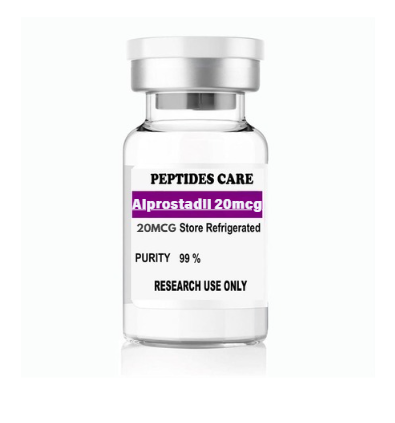
Alprostadil is a clinically established compound widely used in modern medicine for its ability to support healthy blood flow through targeted vasodilation. It belongs to a class of medications that work by relaxing smooth muscle tissue and widening blood vessels, allowing improved circulation in specific areas of the body when medically indicated. Because of this mechanism, it has become an important therapeutic option in several urological and vascular applications under professional supervision.
In clinical settings, Alprostadil is most commonly associated with the management of erectile dysfunction and certain diagnostic procedures related to penile blood flow assessment. It is valued in healthcare for its direct action on vascular smooth muscle, which helps increase localized blood circulation without relying on systemic hormonal changes. This makes it distinct from other treatment approaches that work indirectly through the nervous system or endocrine pathways.
One of the key characteristics of Alprostadil is its reliability in producing a predictable physiological response when administered correctly under medical guidance. Healthcare providers may utilize it in different forms depending on the treatment context, including intracavernosal injection or intraurethral delivery systems. These methods are designed to ensure the compound reaches the targeted tissue efficiently, allowing for controlled and localized activity.
Beyond its primary uses, Alprostadil is also used in specialized diagnostic evaluations where clinicians need to assess vascular integrity and blood flow response. This can help identify underlying causes of circulation-related conditions, particularly in male reproductive health. Its rapid onset of action in clinical environments makes it useful for short-term, in-office assessments.
From a pharmaceutical perspective, Alprostadil is a synthetic version of prostaglandin E1 (PGE1), a naturally occurring substance in the body that plays a role in regulating vascular tone and platelet activity. By mimicking this natural compound, it helps promote smooth muscle relaxation and improved perfusion in targeted tissues. This biologically aligned mechanism is one reason it has remained a trusted option in urological care for many years.
Patients who are prescribed Alprostadil are typically guided closely by healthcare professionals to ensure appropriate dosing and safe administration. Because of its potency and targeted action, it is not intended for casual or unsupervised use. Medical oversight is essential to determine suitability, monitor response, and reduce potential risks or side effects.
In terms of formulation development, Alprostadil has been refined over time to improve stability, delivery efficiency, and patient comfort. Modern pharmaceutical versions aim to reduce variability in response while maintaining consistent therapeutic outcomes. This has helped expand its use in both clinical diagnostics and treatment protocols.
As part of broader vascular health management, Alprostadil represents an important example of how targeted therapies can support specific physiological functions without broadly affecting the entire body system. Its role in improving localized circulation has made it a valuable tool in specialized medical care.
Overall, Alprostadil remains a significant compound in the field of vascular and urological medicine. Its precise mechanism of action, clinical reliability, and targeted delivery options continue to make it relevant in both diagnostic and therapeutic contexts. When used appropriately under medical supervision, it provides a dependable approach to managing circulation-related conditions in a controlled and effective manner.
Reviews
There are no reviews yet.