
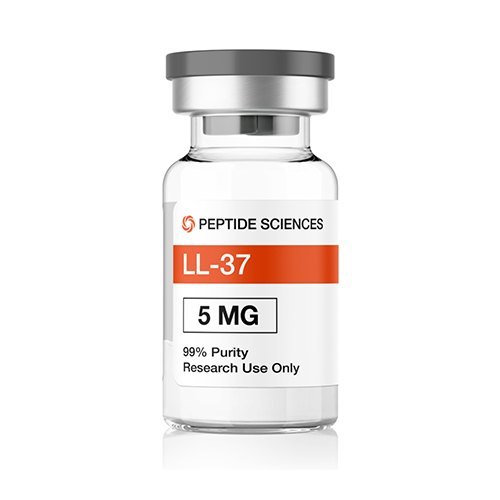
LL-37 is a synthetic antimicrobial peptide that has gained increasing attention in modern research due to its unique interaction with the body’s natural defense and recovery processes. Derived from a naturally occurring human cathelicidin peptide, LL-37 is commonly explored in laboratory settings for its role in immune signaling, tissue support, and cellular communication. Researchers continue to investigate its broad potential across multiple scientific fields, making it one of the more discussed peptides within advanced peptide studies.
Many professionals in peptide research value LL-37 for its versatility and the growing interest surrounding its biological activity. Unlike compounds designed for a single mechanism, this peptide has been examined for how it may interact with several pathways connected to regeneration, defense responses, and overall cellular balance. Because of this, it has become a notable option in experimental peptide collections and ongoing laboratory investigations.
One reason LL-37 continues to attract attention is its association with skin and tissue-related research. Scientists have explored how the peptide may support environments connected to recovery and structural maintenance. Interest in these properties has expanded its visibility among individuals following developments in regenerative science and advanced peptide technologies. While studies remain ongoing, the peptide’s profile has created significant curiosity within the scientific community.
Another area of interest involves the peptide’s connection to immune system signaling. Research has examined how LL-37 may participate in communication between cells involved in defense mechanisms. These investigations have helped position the compound as an important subject in experimental peptide science. Its naturally inspired structure also contributes to the growing attention it receives among researchers looking into biomimetic compounds.
LL-37 is commonly supplied in lyophilized form to help maintain stability during storage and handling. Laboratories often choose this format because it allows for convenient preparation while preserving peptide integrity. Proper storage conditions and careful research handling remain important for maintaining consistency and reliability during experimental applications.
The peptide research market has expanded significantly in recent years, leading many laboratories and research professionals to seek compounds produced with strong quality control standards. High-purity LL-37 is generally preferred for analytical and investigative purposes where consistency matters. Reliable sourcing and transparent manufacturing practices are often considered essential when selecting research materials.
As interest in peptide science continues to evolve, LL-37 remains part of ongoing discussions involving innovative biological research. Scientists continue exploring its characteristics, mechanisms, and possible future applications in controlled research settings. Although research is still developing, the peptide’s increasing visibility reflects the broader scientific interest in compounds connected to regeneration and immune-related pathways.
Researchers looking into advanced peptide studies often appreciate compounds that combine biological relevance with expanding scientific literature. LL-37 fits into this category due to its naturally inspired origins and the wide range of experimental attention it has received. Continued investigation may help provide deeper insight into how this peptide interacts within complex biological systems and laboratory environments.
For research professionals seeking a peptide with growing scientific interest, LL-37 remains a recognized option within modern peptide collections. Its role in ongoing studies related to cellular activity, recovery processes, and immune signaling has contributed to its reputation as a compelling subject for laboratory exploration. As peptide science advances, LL-37 continues to stand out as a peptide associated with innovation, curiosity, and expanding research potential.
Reviews
There are no reviews yet.